

Food Industry Conveyor Belt Belt Body Design and Material Selection
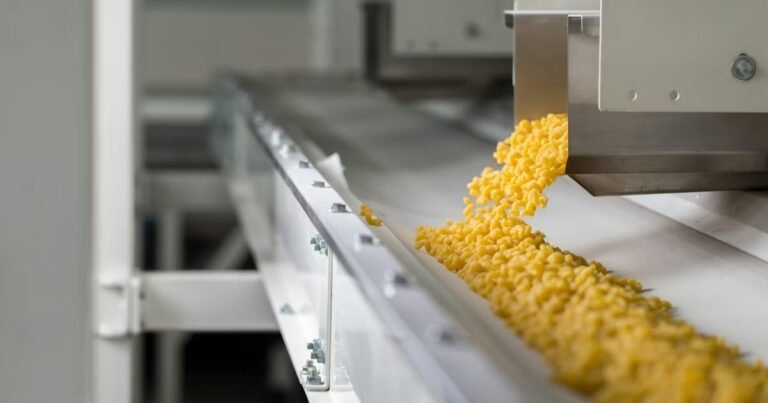
In the food processing industry, conveyor belts are directly involved in transporting raw ingredients, semi-finished products, and packaged foods. As a result, the belt body becomes a critical control point for food safety, hygiene, and production efficiency.
Choosing the right food industry conveyor belt requires careful attention to materials, surface structure, and cleanability.
The Role of Conveyor Belts in Food Processing Lines
Food conveyor belts are used across a wide range of applications, including:
- Meat and poultry processing
- Bakery and confectionery lines
- Dairy production
- Fruit and vegetable handling
In many cases, the belt body is in continuous contact with food products, making hygiene-focused design essential.
Essential Requirements for Food Industry Conveyor Belt Bodies
A conveyor belt belt body for food applications must meet the following requirements:
- Food-grade materials
Belt materials must comply with food safety standards and regulations. - Odorless and tasteless surface
The belt body should not affect the taste or smell of food products. - Anti-bacterial and anti-mold properties
The belt surface should inhibit microbial growth. - Easy-to-clean structure
Smooth surfaces and sealed edges help prevent food residue buildup.
Popular Conveyor Belt Materials for the Food Industry
Common belt body materials used in food industry conveyor belts include:
- PU conveyor belts
Widely used due to excellent hygiene, flexibility, and durability. - PVC conveyor belts
Suitable for dry food handling and packaging stages. - Silicone conveyor belts
Ideal for baking and high-temperature applications. - Felt conveyor belts
Often used in cooling or delicate food handling processes.
Material selection depends on food type, temperature, moisture levels, and cleaning procedures.
Hygienic Belt Surface and Structure Design
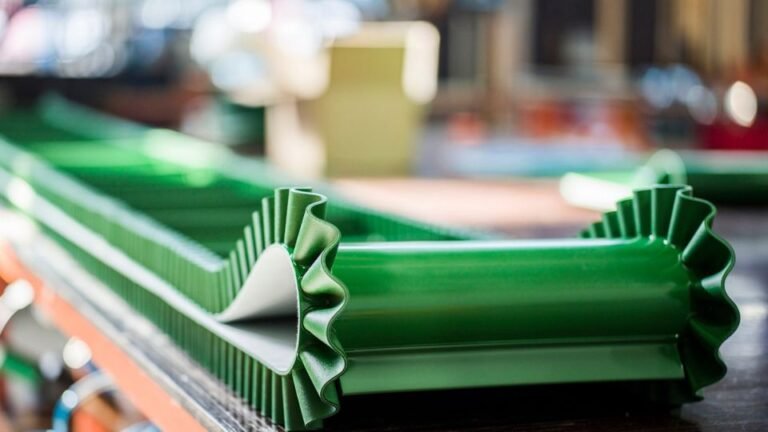
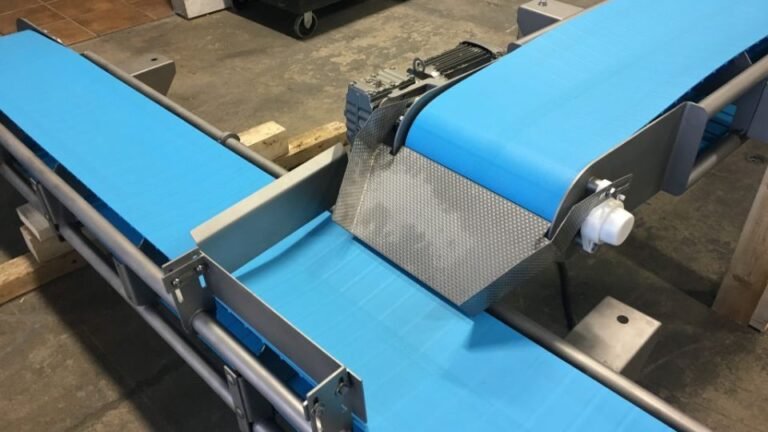
The surface design of a food conveyor belt directly affects hygiene performance. Smooth surfaces are easier to clean, while textured surfaces may be used where grip is required.
Edge sealing and homogeneous belt structures help eliminate gaps where food particles and bacteria could accumulate, improving overall food safety.
How Belt Body Quality Affects Food Production Efficiency
A high-quality conveyor belt belt body helps food producers:
- Reduce product waste
- Shorten cleaning cycles
- Lower maintenance and replacement costs
Ultimately, investing in the right food industry conveyor belt belt body supports both compliance and long-term production efficiency.